
Are you unknowingly compromising the quality of your drinking water by neglecting your water purification system? Proper care is essential to ensure it functions effectively.
Regular upkeep of your water purification system is key for its longevity and efficiency. Yet, many people make mistakes that can harm its performance or even cause it to fail.
Knowing these common mistakes helps you take steps to keep your system in top shape. For any service-related inquiries, call us at 9582382261 or email vijay@dalmiaalkalinerosystem.in.
Key Takeaways
- Understand the importance of regular system checks.
- Learn how to identify common issues.
- Discover the best practices for system upkeep.
- Find out how to optimize system performance.
- Know when to seek professional help.
The Critical Role of RO Systems in Indian Households
RO systems are very important in Indian homes because of the water quality issues. They help make sure we have clean drinking water.
Water Quality Challenges in India
India has big problems with water quality. There are lots of dissolved solids, heavy metals, and bacteria. These can make people sick, so cleaning the water is key.
How RO Technology Addresses These Challenges
RO technology gets rid of bad stuff in water. It removes dissolved solids, bacteria, and viruses. This makes the water safe to drink.
The Cost of Neglecting Your Purification System
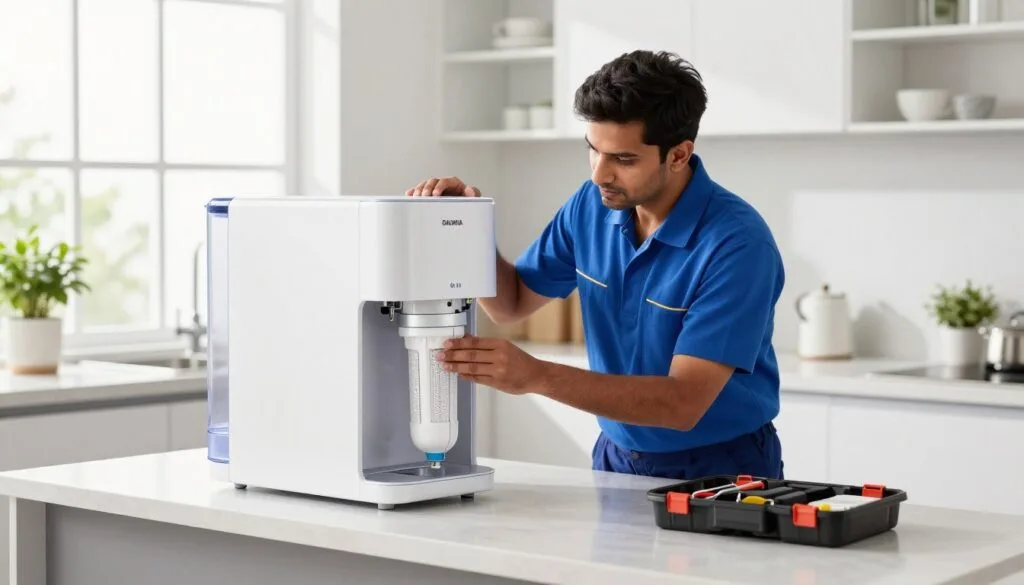
If you ignore your RO system, it won’t work well. You need to change filters and clean the membrane often. For help, call 9582382261.
By taking care of your RO system, you can keep your family’s drinking water clean and safe.
Understanding Your RO System Components
Knowing your RO system’s parts is key to its best performance. A typical RO system has several important parts. These parts work together to clean the water.
Key Parts of a Typical RO System
Let’s look at the main parts:
- Pre-filters and Sediment Filters
- RO Membrane
- Post-filters and Mineralizers
Pre-filters and Sediment Filters
Pre-filters and sediment filters are the first defense. They remove big particles and sediments from the water. It’s important to replace ro filters regularly to avoid clogs and keep water flowing well.
RO Membrane and Its Function
The RO membrane is the core of your purification system. It removes dissolved impurities and contaminants. For genuine ro spare parts, including membranes, email vijay@dalmiaalkalinerosystem.in.
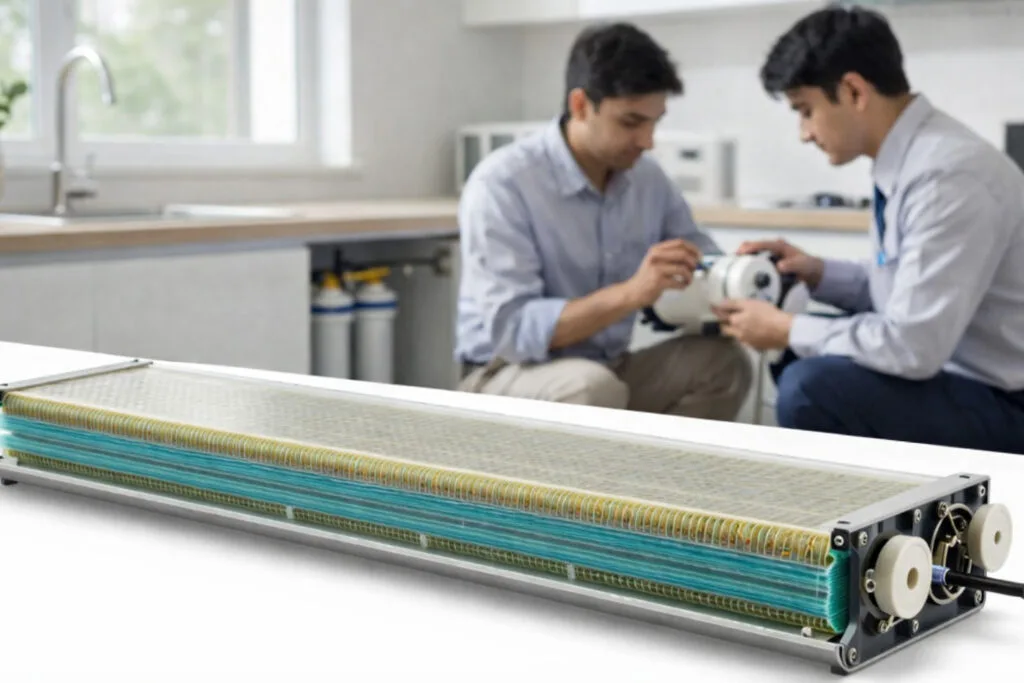
Post-filters refine the water before it’s ready to drink. Mineralizers add back good minerals. This makes the water clean and healthy.
How Each Component Contributes to Water Purification
Every part is important for cleaning the water. Pre-filters protect the membrane, the RO membrane filters out impurities, and post-filters make the water taste good.
Identifying Your System’s Specific Maintenance Needs
To keep your RO system running well, you need to know its specific needs. Check your user manual or talk to a pro to find out what maintenance your system needs.
Essential RO Maintenance Practices for Optimal Performance
Keeping your RO system in top shape is key for clean drinking water. Regular upkeep extends your system’s life and keeps water quality high.
Recommended Maintenance Frequency
How often you need to maintain your RO system varies. It depends on your water quality and how much you use it. Aim to check and maintain it every 3 to 6 months.
Professional vs. DIY Maintenance Considerations
Some upkeep tasks are easy for you to do, but others need a pro. Knowing when to ask for help is important.
When to Call Experts
If you’re not sure about maintenance or see a drop in performance, get expert help. For professional RO maintenance, call 9582382261.
Safe DIY Maintenance Tasks
Simple tasks like looking for leaks, cleaning the outside, and swapping filters are safe to do yourself. Just follow the maker’s guide.
Documentation and Record-Keeping for Maintenance
It’s vital to keep a record of all maintenance. Note down when you replace filters, clean, and any problems you find.
| Maintenance Task | Frequency | DIY/Professional |
|---|---|---|
| Filter Replacement | Every 6-12 months | DIY |
| System Cleaning | Every 3-6 months | Professional |
| Leak Check | Monthly | DIY |
Mistake #1: Neglecting Filter Replacement Schedules
Replacing RO filters is key but often forgotten. Skipping this step can harm water quality and system performance. Knowing what affects filter life and setting up a replacement plan is vital for your RO system’s health.
Understanding Filter Lifespan Variables
RO filter life varies based on water quality and how much water you use. Knowing these factors helps you know when to replace your filters.
Impact of Water Quality on Filter Life
Water quality greatly affects filter life. For example, dirty water can clog filters faster, needing more frequent changes. Regular water quality testing helps you adjust your replacement schedule.
Usage Volume Considerations
How much water your RO system uses also matters. More water means filters need replacing sooner. Think about your household’s water use when planning replacements.
Signs Your Filters Need Replacement
Look out for these signs that your filters need a change:
- Decreased water flow rate
- Changes in water taste or odor
- Visible signs of filter wear or damage
If you see these signs, replace your filters quickly to keep your water clean.
Creating a Personalized Replacement Calendar
Make a filter replacement calendar that fits your needs. Think about water quality, usage, and what the maker suggests. Regular maintenance helps your RO system last longer.
| Filter Type | Average Lifespan | Replacement Frequency |
|---|---|---|
| Pre-Filter | 6-12 months | Every 6 months for high usage |
| RO Membrane | 2-3 years | Every 2 years for average usage |
| Post-Filter | 12-18 months | Every 12 months for normal usage |
Need help with filter replacement? Call us at 9582382261. Regular RO filter replacement keeps your system running well and your water clean.
Mistake #2: Improper Pre-Filter Maintenance
Many RO users forget to take care of their pre-filters. It’s key to keep your pre-filters in good shape. This helps your RO system work better and last longer.
Why Pre-Filters Are Your System’s First Line of Defense
Pre-filters are the first line of defense against big particles and contaminants. They protect your RO membrane from damage. By catching sediments and dust, pre-filters help your RO system work well.
Common Pre-Filter Issues in Indian Water Conditions
Indian water often has high levels of turbidity, sediments, and dissolved solids. These can quickly clog pre-filters, making them less effective.
Step-by-Step Pre-Filter Cleaning Guide
Cleaning your pre-filters regularly is important. Here’s a simple guide to keep your RO system running smoothly.
Tools and Materials Needed
- Soft-bristled brush
- Mild detergent
- Clean water
- Dry cloth
Cleaning Process Walkthrough
- Turn off the RO system and release any pressure.
- Remove the pre-filter and gently brush off any loose debris.
- Soak the pre-filter in a mild detergent solution for 15-30 minutes.
- Rinse thoroughly with clean water.
- Dry the pre-filter with a clean cloth before reinstalling.
| Maintenance Task | Frequency | Importance Level |
|---|---|---|
| Pre-filter cleaning | Monthly | High |
| Pre-filter replacement | Every 6-12 months | Critical |
| RO membrane inspection | Quarterly | High |
For more ro service tips and personalized maintenance advice, you can reach out to experts at vijay@dalmiaalkalinerosystem.in.
Mistake #3: Ignoring RO Membrane Care
The RO membrane is key to your water purification system. Neglecting it can cause big problems. It removes impurities from water, but poor care can harm its performance.
Understanding Membrane Fouling and Scaling
Membrane fouling and scaling are common issues. Fouling happens when particles and contaminants build up on the membrane. Scaling occurs when minerals in the water form deposits on the membrane, damaging it over time.
Warning Signs of Membrane Problems
Knowing the signs of membrane problems is important. These include:
Decreased Water Output
A drop in water output from your RO system might mean the membrane is fouled or scaled.
Changes in Water Taste or Quality
Water that tastes or smells different could mean the membrane is not working right.
Proper Cleaning and Maintenance Techniques
Regular cleaning and maintenance are key to avoiding membrane problems. Here are some tips:
- Follow your manufacturer’s cleaning instructions.
- Use a cleaning solution made for RO membranes.
- Do regular maintenance, like replacing pre-filters and checking system pressure.
| Maintenance Task | Frequency | Benefits |
|---|---|---|
| Check and replace pre-filters | Every 6-12 months | Reduces membrane fouling |
| Clean the RO membrane | Every 12-24 months | Restores membrane performance |
| Check system pressure | Every 6-12 months | Ensures optimal system performance |
For expert advice on RO membrane care, call our experts at 9582382261. Proper care and maintenance are vital for your water purification system’s longevity and effectiveness.
Mistake #4: Overlooking Storage Tank Sanitization
Many people forget to clean their RO system’s storage tanks regularly. This tank holds the purified water until you use it. If not cleaned, it can become a place where bacteria and contaminants grow.
How Contamination Occurs in Storage Tanks
Storage tanks can get contaminated in several ways. This includes exposure to air, touching contaminated surfaces, or getting bacteria from the water supply. Regular sanitization is key to stop this.
- Airborne contaminants can enter the tank through vents or during opening.
- Bacteria can multiply rapidly in stagnant water.
- Contaminated pipes or fittings can introduce bacteria into the tank.
Health Implications of Neglected Tanks
Not cleaning storage tanks can harm your health. Contaminated water can have harmful bacteria, viruses, and other pathogens. Regular maintenance is important to keep the water safe to drink.
“The quality of drinking water is a critical factor in maintaining public health. Neglecting storage tank sanitization can lead to severe health consequences.”
Safe and Effective Tank Cleaning Methods
To keep your RO system working well and your water safe, cleaning the tank regularly is a must. Here are some good ways to do it:
Sanitization Solutions and Their Preparation
Use a sanitizing solution made for water storage tanks. A common way is to mix chlorine or other agents with water to the right amount.
Step-by-Step Cleaning Process
- Turn off the RO system and drain the tank.
- Prepare the sanitizing solution as the manufacturer says.
- Fill the tank with the solution and let it sit for the time suggested.
- Drain and rinse the tank well.
- Refill the tank and check if there’s any taste or smell left.
If you need help with cleaning your storage tank, think about getting a ro water purifier service provider. You can contact vijay@dalmiaalkalinerosystem.in for expert advice.
Mistake #5: Disregarding Water Pressure Issues
Many people overlook the importance of water pressure in RO maintenance. Water pressure greatly impacts how well your reverse osmosis system works and lasts.
How Pressure Affects RO System Efficiency
Too little water pressure can cut down on water output. On the other hand, too much pressure can harm your system’s parts. Maintaining optimal pressure is key for your RO system to work right.
Identifying Pressure-Related Problems
Look out for signs like low water flow, leaks, or strange noises. Checking your system’s pressure gauge regularly can spot issues early.
Solutions for Common Pressure Issues
Here are some ways to fix pressure problems:
- Installing a booster pump to increase low water pressure
- Maintaining or replacing the pressure tank as needed
Booster Pump Installation
A booster pump can help if your water pressure is too low. This is great for places with naturally low water pressure.
Pressure Tank Maintenance
It’s important to keep your pressure tank in good shape. Look for wear and tear, and replace it if needed. For help with water pressure, call 9582382261.
Mistake #6: Incorrect Installation of Replacement Parts
Installing replacement parts wrong can really hurt your RO system’s performance. It’s not just about swapping out old parts for new ones. You’re making sure your system works right.
Common Installation Errors
One big mistake is not using the ro spare parts instructions. This can cause parts to fit wrong, leading to leaks or less efficiency.
Another mistake is starting the replacement without turning off the water supply. This can cause water damage or flooding.
Step-by-Step Replacement Procedures
To avoid these problems, follow a detailed guide for part replacement. Here are some basic steps:
Filter Replacement Guide
- First, turn off the water supply to the RO system.
- Then, release the pressure by opening the faucet.
- Next, remove the old filter and throw it away.
- After that, put in the new filter, making sure it fits right.
Membrane Replacement Guide
- Start by disconnecting the membrane housing from the system.
- Take out the old membrane and clean the housing.
- Put in the new membrane, making sure it’s in the right spot.
- Lastly, reconnect the housing, making sure everything is tight.
Ensuring Proper Connections and Seals
After replacing parts, check all connections for leaks. Turn on the water and look for leaks. If you find any, tighten the connections.
For real RO spare parts and help, contact vijay@dalmiaalkalinerosystem.in for expert advice.
Seasonal RO Maintenance Considerations for Indian Climate
To keep your RO system working well all year, it’s key to follow seasonal maintenance tips for India’s climate. For top RO service tips, dial 9582382261.
Monsoon Season Precautions
Monsoon brings more water contamination, which can harm your RO system. Make sure to clean pre-filters often to handle the extra sediment.
Summer Maintenance Requirements
Summer means your RO system has to work harder because of more water use. Look for any wear and tear signs. Also, check that all parts are working right.
Winter Care Tips
In winter, the cooler water can slow down your RO membrane. Keep an eye on the system’s output and tweak settings if needed.
| Season | Maintenance Task |
|---|---|
| Monsoon | Frequent pre-filter cleaning |
| Summer | Check for wear and tear |
| Winter | Monitor RO membrane performance |
Troubleshooting Common RO System Problems
If you’re having trouble with your RO purifier, don’t worry. We’re here to help. Reverse Osmosis (RO) systems can be tricky, and problems can happen for many reasons. We’ll show you how to fix common RO system issues.
Addressing Low Water Production Issues
Low water production is a common problem with RO systems. It can be due to clogged filters, low water pressure, or a damaged membrane. First, check your filters and replace them if needed. Make sure your water pressure is good, as low pressure can cut down water production a lot.
Solving Unusual Taste or Odor Problems
Unusual tastes or odors from your RO system can be a nuisance. These issues often come from dirty storage tanks or old filters. Clean and sanitize your storage tank regularly. Also, change your filters as the maker suggests.
Fixing Leaks and Water Wastage
Leaks and water waste not only waste water but also raise your bills. To fix leaks, you must find their sources.
Identifying Leak Sources
Leaks often happen in filter housings, membrane housings, and where parts connect. Look at these areas closely to find the leak.
Simple Repair Techniques
After finding the leak, tighten loose parts or replace damaged O-rings to fix it. For bigger leaks, you might need to replace the whole part.
If you need more help with fixing or keeping your RO system in check, reach out to vijay@dalmiaalkalinerosystem.in for expert advice.
Creating a Comprehensive RO Maintenance Schedule
To keep your RO water purifier working well, a regular maintenance plan is key. A good schedule helps your system last longer and keeps the water quality high.
Daily and Weekly Checks
Begin with daily tasks like watching the water flow and looking for leaks. Every week, check the pre-filters for damage. These steps can stop big problems before they start.
Monthly Maintenance Tasks
Every month, clean or replace the pre-filters and check the RO membrane for fouling. Also, inspect the storage tank for contamination.
Quarterly and Annual Service Requirements
Every quarter, clean the system deeply, including the membrane and tank. Once a year, get a RO water purifier service from a pro for a thorough clean.
Seasonal Adjustments to Your Schedule
Change your maintenance plan with the seasons. For example, in the rainy season, check your system more often because of higher contamination risks.
Using Digital Reminders and Alerts
Use digital reminders to keep up with maintenance. Many RO systems have smart features that remind you when it’s time for upkeep.
Need help with a maintenance schedule? Call 9582382261. Regular RO maintenance is vital for clean, safe drinking water.
Conclusion: Ensuring Long-Term RO System Performance
You now know how important regular maintenance is for your RO system’s long life. Avoiding mistakes like not replacing filters, poor pre-filter care, and ignoring the RO membrane can help a lot. This way, you can make your system last longer.
Keeping your RO system in top shape means following a detailed maintenance plan. This includes daily, weekly, monthly, and quarterly checks. Doing this ensures your water stays clean and prevents expensive repairs later.
If you need help with RO maintenance, experts are ready to assist. They can keep your system working well. Regular maintenance is the key to having clean, safe drinking water for years.
Being proactive with RO maintenance brings many benefits. You’ll get better-tasting water, fewer contaminants, and more peace of mind. For more details or to book a service, call us at 9582382261 or email vijay@dalmiaalkalinerosystem.in.